
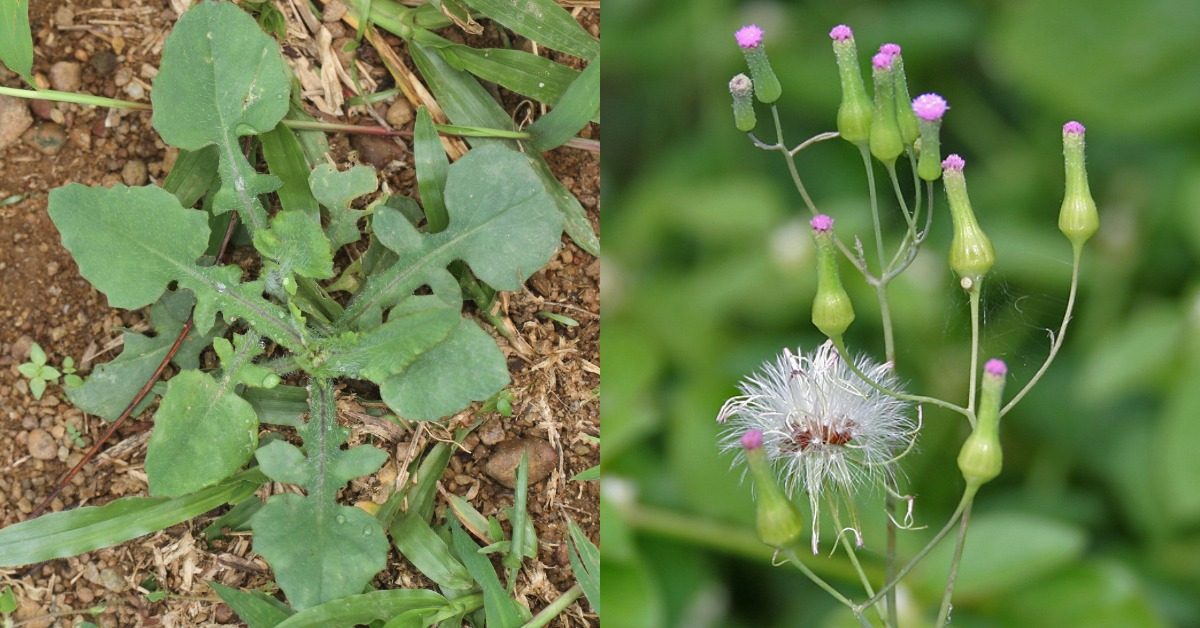
ഈ ചെടി ആള് നിസാരകാരനല്ല! ഇതൊന്നു മതി പനി പമ്പ കടക്കും; മൈഗ്രേൻ, ടോൺസിലൈറ്റിസ്, തൊണ്ടയിലെ മുഴ മാറാൻ മുയൽച്ചെവിയൻ!! | Muyalcheviyan Plant Benefits
Muyalcheviyan Plant Benefits

Muyalcheviyan Plant Benefits : മുയൽചെവിയൻ സസ്യങ്ങൾ എല്ലാവർക്കും സുപരിചിതമാണല്ലോ. മുയൽച്ചെവിയൻ ആഹു കർമ്മി എന്ന സംസ്കൃത പദത്തിൽ അറിയപ്പെടുന്നു. എഴുത്താണി പച്ച നാരായണ പച്ച എന്നീ പേരുകളിലും അറിയപ്പെടുന്നു. ആസ്ട്രേഷ്യ കുടുംബത്തിൽ കമ്പോസിറ്റ ഫാമിലിയിൽ പെട്ടതാണ് ഇവ രണ്ടും. ഇവ രണ്ടിന്റെയും രസഗുണ ഭാഗങ്ങളെല്ലാം ഒന്നാണ്. പക്ഷേ വീര്യത്തിൽ വ്യത്യാസമുണ്ട്. വീരത്തിലെ പൂവാംകുറുന്തൽ ഉഷ്ണവും മുയൽച്ചെവിയൻ ശീതവും ആണ്.
അതേസമയം വിഭാഗത്തിൽ രണ്ടും ഒരുപോലെയാണ് എന്നുള്ളതാണ് മറ്റൊരു പ്രത്യേകത. അതുകൊണ്ടാണ് ഇതിന്റെ പ്രഭാവം അത്യുച്ച നിലയിൽ എത്തുന്നത്. പൂവാംകുറുന്തൽ ഇലയും മുയൽചെവിയൻ ഉം കൂടി ഇടിച്ചു പിഴിഞ്ഞ നീര് നാടൻ കുരുമുളക് ഇടിച്ചു മേമ്പൊടി ചേർത്തു കഴിച്ചാൽ എത്ര വലിയ പനിയും രണ്ടു മണിക്കൂറിനകം മാറുന്നതായി കാണാം. ഏതാണ്ട് മനുഷ്യശരീരത്തിന് വേണ്ട എല്ലാ ഘടകങ്ങളും ഒന്നു ചേർന്ന് ഒരു സാധനമാണ് ഈ മുയൽച്ചെവിയൻ.
ജീവന്റെ നിലനിൽപ്പിനു വേണ്ട അടിസ്ഥാന ഘടകങ്ങളായ ഏഴെണ്ണത്തിൽ കാർബൺ, ഹൈഡ്രജൻ, നൈട്രജൻ, ഓക്സിജൻ, ഫോസ്ഫറസ്, സൾഫർ, ഇനി എല്ലാ ഘടകങ്ങളും മുയല്ചെവിയന് ലും പൂവാംകുരുന്നിലയും ഉണ്ട് എന്നുള്ളതാണ് മറ്റൊരു വസ്തുത. ഇങ്ങനെ ഇവയെല്ലാംകൂടി ഒരുമിച്ചുള്ള സസ്യങ്ങൾ വളരെ അപൂർവം ആണ്. ഇത്തരം ഔഷധസസ്യ ങ്ങളുടെ പ്രഭാവം അത്യുജ്വലവും ആണെന്നാണ് പറയപ്പെടുന്നത്.
മുയൽച്ചെവിയന്റെ വൃത്തിയാക്കിയ ഇലയും ഓരിലത്താമരയും സമൂലം ഇടിച്ചു പിഴിഞ്ഞെടുത്ത നീര് അരിച്ചെടുത്ത കണ്ണിൽ തളം നിർത്തിയാൽ രാകണ്ണു കാണാതെ വരിക, തിമിരം മൂലം കാഴ്ചശക്തി മങ്ങുക തുടങ്ങിയ കാഴ്ച വൈകല്യങ്ങൾക്ക് ഒരു പരിഹാര മാർഗമാണ്. മുയൽചെവിനെ കുറിച്ചുള്ള കൂടുതൽ വിവരങ്ങൾ ക്കായി വീഡിയോ മുഴുവനായും കാണൂ. Muyalcheviyan Plant Benefits Video Credits : Hanif Poongudi
Muyalcheviyan Plant Benefits: 10 Traditional Uses of Emilia Sonchifolia
- Traditional Herbal Plant: Muyalcheviyan is a medicinal herb traditionally used in various folk practices.
- Botanical Identity: Its scientific name is Emilia sonchifolia, commonly called lilac tasselflower.
- Plant Compounds: It contains natural flavonoids, phenolic compounds, and other plant chemicals.
- Antioxidant Properties: Research has identified antioxidant compounds in its leaves and extracts.
- Traditional Skin Care: Some folk practices use the plant in external herbal preparations.
- Anti-Inflammatory Research: Its extracts have been studied for potential anti-inflammatory activity.
- Traditional Digestive Uses: The plant has been used in some traditional preparations for digestive complaints.
- Leaf Identification: It has soft leaves and small pink or purple flower heads.
- Garden Growth: It can grow in suitable tropical conditions and is often found in open areas.
- Safety Precaution: Scientific evidence for medicinal benefits in humans is limited; avoid consuming it as a remedy without qualified medical guidance.
